Why Your Small Business Needs an Email List (and How to Start One Today)
Xenia Blankinship • September 29, 2026

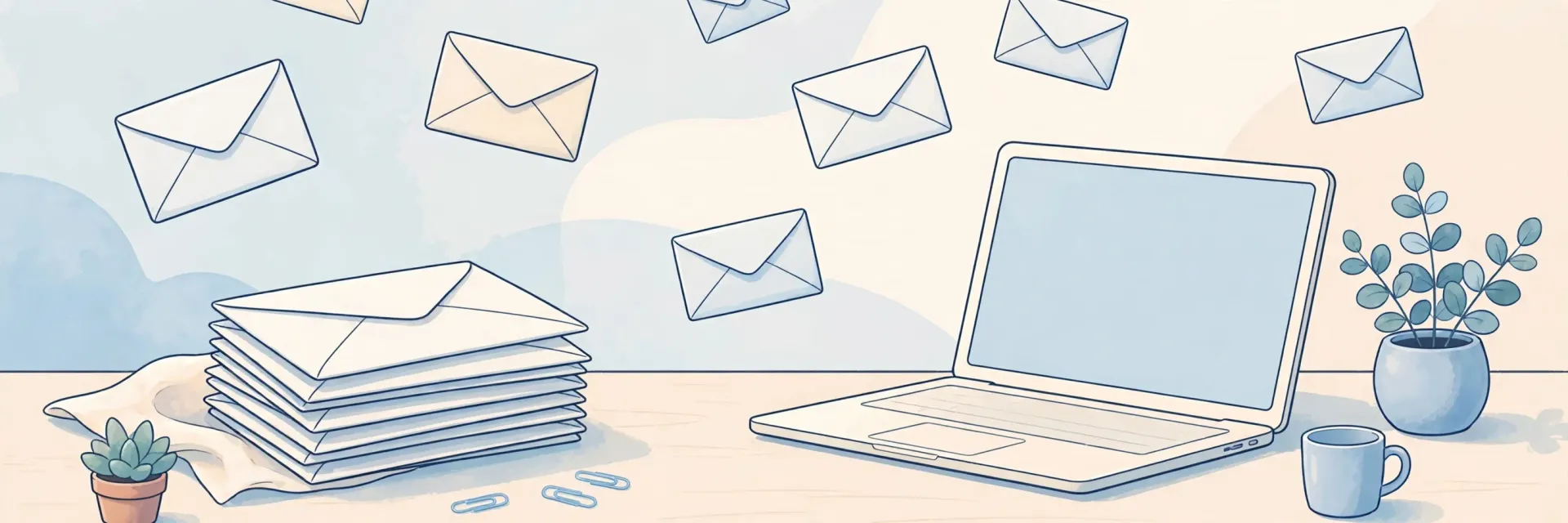
Imagine spending two years building a following of 5,000 people on social media. Then the platform changes its algorithm overnight, and suddenly only 100 of them ever see your posts. This happens to businesses every single day, because social media followers are rented, not owned.


An email list is different. It is yours. No algorithm decides who sees your message. When you send an email, it lands directly in your customer's inbox. That is why smart small businesses treat their email list as one of their most valuable assets.


Your Followers Are Not Really Yours

Social platforms can change the rules, limit your reach, or even suspend your account without warning, and you have no control over any of it. Your email list, on the other hand, is a direct line to people who chose to hear from you. Nobody can take that away, and nobody can hide your messages behind an algorithm.


Emails Actually Get Opened

Think about your own habits. You might scroll past a hundred social posts without really seeing them, but you check your email every single day. Email open rates for small businesses are dramatically higher than the share of followers who see a typical social post. When you have something important to say, like a sale, a new service, or a seasonal reminder, email makes sure it actually gets seen.


Starting Your List Is Free and Takes an Afternoon

You do not need fancy software or technical skills. Free email tools let you start a list at no cost, with simple signup forms you can add to your website in minutes.


Here is the simplest possible setup:

  1. Create a free account with an email marketing tool.
  2. Build a basic signup form that asks for just a name and an email address.
  3. Add that form to your website's homepage, footer, and contact page.
  4. Mention it at checkout, in person, or in your social media bio.


That is it. You are now collecting emails.


Give People a Reason to Sign Up

Nobody hands over their email address for nothing. Offer something small but genuinely useful in exchange: a 10 percent discount on a first order, a helpful checklist, early access to new products, or a free consultation. Make the offer specific and place it right next to your signup form where nobody can miss it.


Decide What You Will Send (Keep It Simple)

You do not need to write a novel every week. A short monthly email is a perfect starting point. Share business updates, seasonal offers, helpful tips related to what you do, and customer stories. Write like you are talking to one friendly customer, because you are.


The goal is to stay familiar, so that when someone needs what you offer, your business is the first one they think of.


Start Small and Stay Consistent

Your list will grow slowly at first, and that is completely normal. Ten engaged subscribers who actually open your emails are worth more than a thousand who never do. What matters is that you start now and keep showing up.


Every month you wait is a month of customer relationships you could have been building. Start your list today, even if it begins as one simple form on your website.


And if you want a website that grows your email list on autopilot, with signup forms placed exactly where visitors will see them, we can help. Xenbunny builds custom websites for small businesses that turn casual visitors into subscribers, and subscribers into customers. Visit www.xenbunny.com and let's talk about it.

By Xenia Blankinship • September 29, 2026
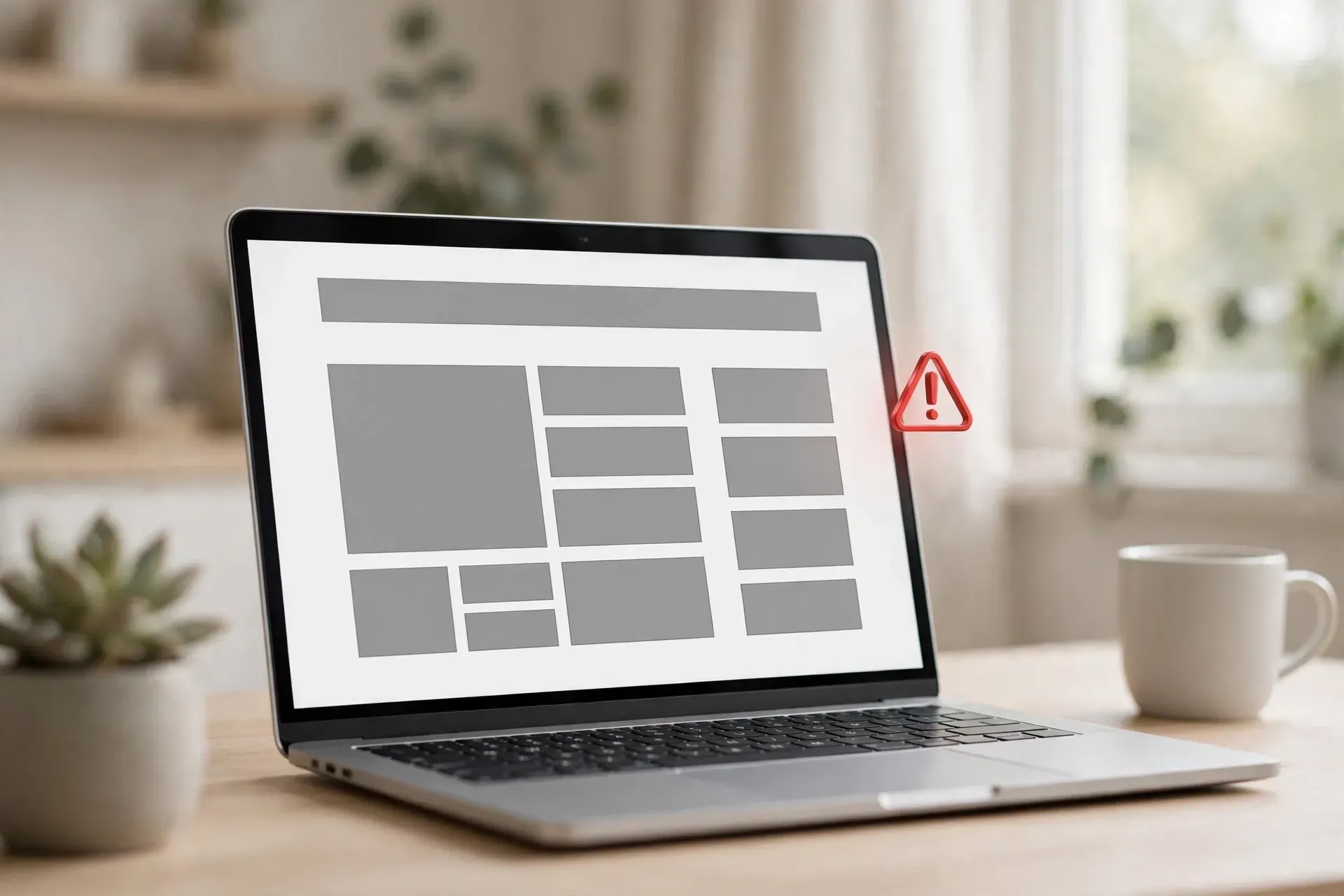
Your website works for you around the clock. It greets people at midnight, answers questions on Sunday morning, and makes a first impression long before you ever say hello. But if it is making any of the mistakes below, it could be sending customers straight to your competitors without you ever knowing. The good news is that every mistake on this list has a fix, and most of them are simpler than you think. 1. There Is No Clear Way to Contact You This is the most expensive mistake on the list. A visitor decides they want to work with you, looks for your phone number or your contact form, and cannot find either one. So they leave and call someone else. Your phone number should be visible in the header of every single page, not just hiding on a contact page somewhere. Your contact page itself should list your phone number, email address, hours, and location, plus a short and simple form. The fix: Put your phone number at the top of every page today. It takes five minutes, and it might be the most valuable five minutes you spend this month. 2. Your Site Takes Forever to Load People are impatient online. If your page takes more than a few seconds to appear, a large share of visitors will hit the back button before they ever see what you offer. On phones, where most of your visitors are browsing, slow sites hurt even more. The usual culprit is oversized images. That beautiful photo you uploaded straight from your camera could easily be ten times larger than it needs to be. The fix: Shrink your images before you upload them. Free tools can compress image files without any visible loss of quality. It is also worth asking your web designer whether slow hosting is part of the problem. 3. It Looks Broken on a Phone Well over half of all web traffic now comes from phones, and for local businesses the share is often even higher. If your text is tiny, your buttons are hard to tap, or visitors have to pinch and zoom just to read a sentence, they will not stick around. The fix: Pull out your own phone and visit your website right now. Try to find your phone number, read a full page, and submit your contact form. If anything feels awkward or frustrating, that is a problem worth fixing quickly. 4. Your Menu Has Too Many Choices When visitors see twelve menu items, they do not explore. They freeze. Too many options make people bounce instead of browse, and a confused visitor is a lost visitor. The fix: Trim your main menu down to five to seven items, and use words your customers actually say, like Pricing and Book Now. Move everything else into dropdown menus or your footer, where it stays one click away without getting in the way. 5. Your Information Is Out of Date Old business hours, a "coming soon" page from two years ago, team photos from 2019, a copyright line that still says 2021. Stale content quietly tells visitors that you have stopped paying attention, and it makes them wonder what else you have let slide. The fix: Give your site a quick audit every few months. Check your hours, your services, your photos, and your contact details. Fresh content also gives Google a reason to keep showing your pages in search results. 6. There Is No Proof That You Are Any Good People buy from businesses they trust, and trust comes from proof. If your site has no reviews, no testimonials, and no photos of real work, visitors have to take your word for everything. Most of them will not. The fix: Put real customer reviews near the top of your homepage instead of burying them three clicks deep. A few honest testimonials with real names attached will do more for your credibility than any clever slogan. 7. Your Pages Have No Clear Next Step Every page on your website should have one job and one obvious button that carries it out: call now, book a consultation, request a quote, shop the collection. If a visitor finishes reading a page and has no idea what to do next, that page has failed. The fix: Go through your site page by page and ask one question: "What should someone do after reading this?" Then add a clear button that says exactly that, in plain everyday words. Start With the Biggest Win You do not have to fix everything today. Pick the mistake that is costing you the most, which is usually the missing phone number or the broken mobile experience, and start there. Small improvements stack up faster than you would expect. And if your website needs more than a few tweaks, that is exactly what we do. Xenbunny builds custom, mobile-friendly websites for small businesses, designed from day one to turn visitors into customers instead of driving them away. Visit www.xenbunny.com and let's talk about what your website could be doing for you.
A person is typing on a laptop computer at a desk.
By Xenia Blankinship • March 8, 2026
Learn how to boost your website traffic quickly with effective strategies. Contact us for expert website design solutions!
A person is typing on a laptop computer on a desk.
By Xenia Blankinship • February 9, 2026
Learn when to redesign your website for better performance. Contact Xenbunny Web Designs for expert assistance today!
By Xenia Blankinship • January 23, 2026
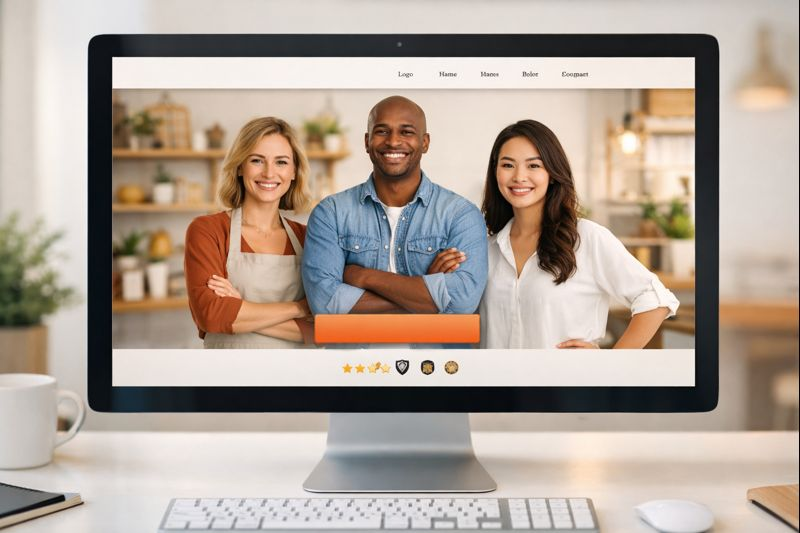
Your homepage is often the first impression potential customers have of your business. In just a few seconds, visitors decide whether to stay and explore or click away. That’s why the top portion of your homepage—what's visible without scrolling, known as "above the fold"—is prime real estate. Here’s a checklist of must-have elements every small business website should feature above the fold to capture attention and drive conversions. 1. Clear, Compelling Headline Your headline should communicate exactly what your business does and how it benefits your ideal customer. Keep it short, specific, and value-driven. This is your hook—make it count. Example: "Affordable Bookkeeping for Busy Small Business Owners" 2. Strong or Supporting Text Use a short sentence or phrase below your headline to add clarity or emphasize your unique selling proposition. This should help fill in any gaps the headline doesn't cover. Example: "We handle your books so you can focus on growing your business." 3. Call-to-Action (CTA) Button Give visitors a clear next step. Whether it's "Get a Free Quote," "Schedule a Call," or "Shop Now," your CTA should be prominently placed, visually distinct, and action-oriented. Tip: Use contrasting colors to make your CTA button stand out. 4. Logo and Navigation Your logo should be visible and clickable (linked to your homepage), reinforcing your brand identity. Keep the navigation menu simple with clearly labeled links that guide users to the most important pages like Services, About, and Contact. 5. Visual Element (Image or Video) Include a high-quality, relevant image or short video that aligns with your brand and speaks directly to your audience. This could be a product photo, a hero image of your team, or a brief video introduction.  Tip: Avoid clutter and use visuals that evoke emotion or trust. 6. Trust Signals Boost credibility right away by displaying quick trust-building elements. These can include: Client logos Testimonials or review ratings Certifications or industry badges "As seen in" media mentions Final Thoughts Above the fold is your website’s handshake moment. It's where you set the tone, build trust, and motivate action. By including a compelling headline, a clear CTA, supportive visuals, and credibility markers, you can make a lasting first impression. Need help optimizing your homepage? At Xenbunny Web Designs , we specialize in building high-converting websites for small businesses. Reach out today to get your homepage working harder for you!
A tablet is open to a google search page.
By Xenia Blankinship • January 1, 2026
Understand how long SEO takes to show results. Key factors include website authority & content quality. Contact us for help!
By Xenia Blankinship • May 21, 2025
It’s 2025. If your business still doesn’t have a website, you could be missing out on opportunities every single day. These days, a website isn’t just a nice bonus, it’s a basic expectation. Whether someone is looking for a massage therapist, a BBQ spot, or bookkeeping help, their first move is usually the same: they look you up online. If you don’t show up, they may move on without ever reaching out. Here’s why a website matters more than ever this year: 1. First Impressions Matter—And They’re Usually Digital When someone hears about your business, they’re going to search for you. If they can’t find a website, they might assume your business isn’t legitimate or professional. Even a simple, clean website can go a long way in building trust. It shows you care about your image, and that you’re available to answer questions, take bookings, or share more about what you do. 2. Without a Website, You Won’t Show Up in Searches If you want to be found on Google, your business needs a place for search engines to send people. Social media pages are helpful, but they don’t offer the same visibility. A website gives you the chance to show up when someone searches for things like: “local BBQ near me” “affordable massage in Savannah” “bookkeeping Brunswick GA” That visibility helps people find you when they’re ready to take action. 3. Customers Trust Businesses With Websites Would you hire someone who didn’t have a website or any online presence? Most people wouldn’t. These days, it’s one of the first things customers look for. Having a website shows you’re invested in your business. It gives people a place to learn about your services, see your work, and decide if you’re the right fit. 4. Social Media Alone Isn’t Enough Social media is great for staying connected, but it’s not a replacement for a real website. You don’t own those platforms, and you have no control over changes to algorithms, rules, or visibility. Your website is your space. It gives you full control over your brand, your message, and the way people interact with your business online. Don’t Let Another Year Pass You By If you’ve been putting off building a website, now’s the time to start. Whether you’re just starting out or looking to grow, a professional site will help you reach more people and make a stronger impression. At Xenbunny Web Designs, we specialize in creating custom websites for small businesses that want to stand out. Let’s get you online - and make sure the right people find you. Reach out today for a free consultation.
A man in a white shirt and tie is working on a computer
By Xenia Blankinship • September 24, 2024
Your website is often the first interaction potential customers have with your brand, so it’s crucial to make a lasting impression. A high-performing business website needs more than just a sleek design—it requires essential features that enhance user experience, boost visibility, and drive conversions. Whether you’re starting from scratch or looking to improve your existing site, here are the five must-have features that every successful business website should include: 1. Mobile Responsiveness In today’s mobile-first world, having a website that looks great and functions well on all devices is non-negotiable. Mobile responsiveness ensures your site adapts to various screen sizes, providing a seamless experience whether visitors are on a smartphone, tablet, or desktop. Why it matters: Google prioritizes mobile-friendly websites in its search rankings. Mobile users account for over 50% of global web traffic, so failing to cater to them could mean losing a significant portion of potential customers. A responsive design enhances user experience, making it easier for visitors to navigate, read content, and interact with your site on any device. 2. SEO Optimization A beautifully designed website won’t serve its purpose if no one can find it. Search Engine Optimization (SEO) is the process of optimizing your site’s content and structure to improve its visibility on search engines like Google. Why it matters: SEO drives organic traffic to your site without the need for paid ads, making it a cost-effective way to increase exposure. Higher search engine rankings mean your website is more likely to be discovered by potential customers when they search for relevant products or services. Key elements like meta tags, keyword-rich content, image alt text, and a well-organized site structure all contribute to better search engine performance. 3. Clear Calls-to-Action (CTAs) A great website guides visitors to take specific actions, whether it’s making a purchase, signing up for a newsletter, or booking a consultation. Clear and strategically placed Calls-to-Action (CTAs) encourage users to engage with your site and help you achieve your business goals. Why it matters: Well-designed CTAs can significantly improve conversion rates by guiding visitors toward the next step in their customer journey. CTAs should stand out visually and use concise, actionable language (e.g., “Get Started,” “Buy Now,” or “Contact Us”). Placement is key—CTAs should be located in prominent positions, such as at the top of the homepage, at the end of blog posts, or near product descriptions. 4. Fast Load Times Website speed is a critical factor in user experience and SEO. Slow load times can frustrate visitors and cause them to abandon your site before it even finishes loading. Ensuring your website is optimized for speed will keep users engaged and improve overall performance. Why it matters: Google considers site speed in its ranking algorithm, so a faster site can improve your search engine ranking. Studies show that 40% of visitors will abandon a site if it takes longer than three seconds to load. Fast load times enhance the user experience and reduce bounce rates, meaning visitors are more likely to stay on your site and explore further. 5. Secure Payment Gateways If your website includes e-commerce functionality, providing secure payment options is essential for building customer trust and protecting sensitive information. A secure payment gateway encrypts transactions and helps prevent fraud, giving customers peace of mind when making purchases. Why it matters: Consumers are increasingly concerned about data privacy, and they expect online businesses to take security seriously. A secure payment system (SSL encryption, PCI compliance) protects customer information and builds trust with your audience. Displaying security badges and trust signals can reassure customers and reduce cart abandonment rates. Final Thoughts By incorporating these five must-have features—mobile responsiveness, SEO optimization, clear CTAs, fast load times, and secure payment gateways—into your website, you’ll create a user-friendly, high-performing platform that not only attracts visitors but converts them into loyal customers. Need help implementing these features? At XenBunny Web Designs, we specialize in building custom websites designed to deliver results. Contact us today to get started!
A laptop , tablet , and cell phone are sitting on a wooden table.
By Xenia Blankinship • August 17, 2023
Understand how long it takes for a new website to gain visibility on Google. Contact us for expert website design services.
A computer screen displaying the google logo and search bar
By Xenia Blankinship • July 4, 2023
Boost your online presence and attract more customers with our comprehensive guide on setting up Google My Business. Learn how to create an optimized business profile, manage your listing, and leverage the power of Google Search and Maps. Start today and watch your business thrive!
A long exposure photo of a highway intersection at night.
By Xenia Blankinship • May 26, 2023
Understand SEO basics to boost your website's visibility. Start optimizing today!